Common Dental Veneer Myths, Debunked
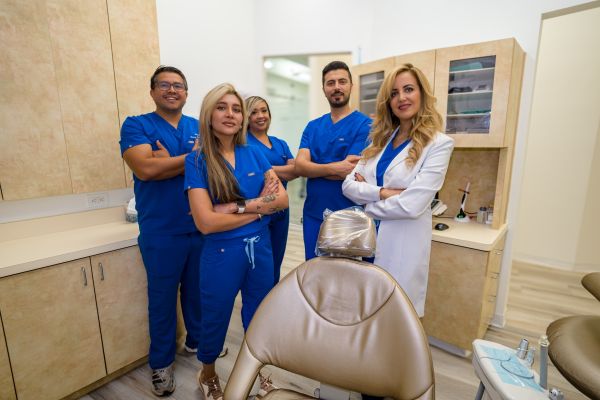
Dental veneers can deliver natural beauty, strong function, and reliable longevity when a patient trusts a trained general dentist. Do not let myths get in the way of your dream smile. Learning the facts about veneers can help address your fears and doubts, so you can explore your options with greater confidence.
Understanding what dental veneers really do
Dental veneers cover the front surface of teeth to improve the color, shape, length, and symmetry of the whole smile. A general dentist uses high-quality ceramics when crafting veneers to mimic natural enamel with lifelike translucency and light reflection. They also tailor each veneer to lip line, gum contour, and facial proportions so the result supports speech and chewing. As a result, veneers can successfully blend into surrounding teeth rather than sitting on top of them.
Common myths, debunked: The facts about dental veneers
Dental veneers are common, but unfortunately, that means so are poorly done veneers. This has led to many myths and misconceptions about them. Visiting a trained dentist for quality veneers makes for the best results, helping patients avoid issues associated with poorly done work. Below, learn fact from fiction about dental veneers.
Myth: Veneers always look weird and fake
Skilled dental design avoids the flat, opaque look associated with poorly executed veneers. General dentists map brightness from the neck of the tooth to the edge, add gentle surface texture, and include subtle translucency at the incisal edge. These elements copy the way real enamel bends and reflects light for a believable, refreshed appearance.
Myth: A dentist must grind your teeth down to pegs
Contrary to common misconception, dental veneers do not require natural teeth to be shaved into pegs. Rather, only a minimal amount of the enamel will need to be removed. Many cases require only a tiny amount of enamel to be reshaped, removing a sliver about as thin as a contact lens. Moreover, some patients qualify for minimal-prep or no-prep veneers when alignment and thickness allow it. These options require even less alteration to the tooth.
Myth: Veneers ruin teeth or cause cavities
This is simply not the case. Tooth decay risk depends on oral hygiene, lifestyle, and diet, not the presence of dental veneers. Patients who brush with fluoride toothpaste, clean between their teeth daily, and limit frequent sugar exposure protect both their veneers and their natural tooth structure.
Myth: Veneers break or fall off easily
Dental veneers can last up to 10 to 15 years and are durable enough to withstand everyday chewing. Like natural teeth, they may break or chip due to dental trauma or teeth grinding. For the latter, dentists often recommend a night guard to protect the veneers, teeth, and even the gums.
Myth: Only celebrities can get veneers
Dental veneers address everyday concerns such as small chips, stubborn stains, worn edges, and minor spacing. These cosmetic concerns are not exclusive to celebrities; anyone with overall good oral health and hygiene may qualify for veneers. Many dentists scale treatment plans to patient goals and budgets.
Myth: Veneers stain easily
Traditional dental veneers consist of porcelain, which resists staining better than natural enamel. That said, improper care can roughen the surface of veneers and cause them to stain more easily than expected. To avoid this, brush the veneers gently, with nonabrasive toothpaste and a soft brush. Visit the general dentist for regular cleanings and polishings, as well.
Are you a good candidate for dental veneers?
Dental veneers work best when several front teeth share similar cosmetic issues. Common examples include stains that do not respond to teeth whitening, uneven lengths from wear, and small triangular gaps near the gums. A good candidate may also want to refresh bonded teeth that are stained or chipped. A general dentist can discuss if and where in a smile veneers would make the biggest difference during an appointment.
That said, not every smile needs dental veneers. Improved oral hygiene may be enough to brighten the smile, especially with recommendations from a dentist. For those with minor smile damage, cosmetic bonding can often fix tiny chips or close small gaps at a lower cost and in less time. A full exam by a dentist is the only real way to tell if one is a good candidate for veneers or if another treatment would be a better option.
Contact us for more information about dental veneers
Interested in dental veneers now that you know the facts? For a personalized assessment, shade preview, and a clear step-by-step plan, schedule a consultation with Allure Dentistry today. We can discuss your smile goals, helping you leave with a blueprint that turns today’s questions into tomorrow’s confident smile.
Request an appointment here: https://www.alluredentistry.com or call Allure Dentistry at (310) 683-5321 for an appointment in our Los Angeles office.
Check out what others are saying about our dental services on Yelp: Dental Veneers and Dental Laminates in Los Angeles, CA.
Related Posts
There are so many differences between traditional braces and Invisalign® aligners. You may be wondering which option is right for your alignment needs and if you will have to change your lifestyle. Many people choose to go through the Invisalign process because the trays are less conspicuous than traditional braces. Traditional braces can be very…
The next time you visit your general dentistry office, ask for tips related to good oral health. Your dentist will be happy to share trade secrets to ensure you are giving your teeth and gums the best care possible. The fact is, these secrets are not secrets at all; your dentist wants you to know…
Gum disease is a common problem for many Americans who visit general dentistry clinics. The Centers for Disease Control and Prevention reports that nearly half of adults in the U.S. over the age of 30 have some manner of periodontal problems that, when left untreated, can lead to bleeding gums, chronic bad breath, and tooth…
One factor you may consider when deciding between Invisalign® and braces is the potential for mouth pain and cuts. You may have a lot of concern about discomfort when correcting the alignment of your teeth. Not only can there be discomfort from moving the teeth into place, but also the corrective device can rub the…